The Story
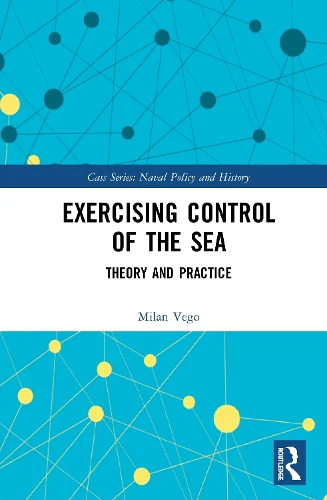
This book explains both the strategic and the operational aspects of exercising control of the sea.
The struggle for sea control consists of three mutually related and overlapping phases: obtaining, maintaining and exercising sea control. It is in the phase of exercising sea control when one’s strategic or operational success is exploited; otherwise, the fruits of victories achieved would be wasted. This work describes the strategy of a stronger side in wartime after a desired degree of control has been obtained, which is followed by a discussion on the objectives and main methods used in exercising sea control. The remaining chapters explain and analyze in some detail each of the main methods of exercising sea control: defence and protection of one’s own and destruction/neutralization of the enemy’s military-economic potential at sea, capturing the enemy’s operationally important positions ashore, destroying/weakening the enemy’s military-economic potential ashore and supporting one’s ground forces in their offensive and defensive operations on the coast.
This book will be of much interest to students of strategic studies, sea power and naval history.
Description
This book explains both the strategic and the operational aspects of exercising control of the sea.
The struggle for sea control consists of three mutually related and overlapping phases: obtaining, maintaining and exercising sea control. It is in the phase of exercising sea control when one’s strategic or operational success is exploited; otherwise, the fruits of victories achieved would be wasted. This work describes the strategy of a stronger side in wartime after a desired degree of control has been obtained, which is followed by a discussion on the objectives and main methods used in exercising sea control. The remaining chapters explain and analyze in some detail each of the main methods of exercising sea control: defence and protection of one’s own and destruction/neutralization of the enemy’s military-economic potential at sea, capturing the enemy’s operationally important positions ashore, destroying/weakening the enemy’s military-economic potential ashore and supporting one’s ground forces in their offensive and defensive operations on the coast.
This book will be of much interest to students of strategic studies, sea power and naval history.