$39.23
Lear's Other Shadow—
$39.23
The Story
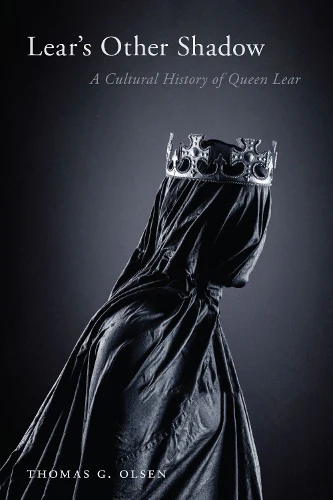
Lear’s Other Shadow: A Cultural History of Queen Lear offers a deep cultural analysis of the figure of Queen Lear, who shadows and eventually sometimes overshadows her royal husband across the nearly one-thousand-year life of this archetypal tale. What appears to be a deliberate strategy of suppression, even erasure in Shakespeare’s King Lear later inspired dozens of stage, page, and cinematic remakes and adaptations in which this figure is revived or remembered, often pointedly so. From Jacob Gordin’s Yiddish-language Miriele Efros (1898), through edgy stage remakes such as Gordon Bottomley’s King Lear’s Wife (1915) and the Women’s Theatre Group’s Lear’s Daughters (1987), to novelized retellings from Jane Smiley’s A Thousand Acres (1991) to Preti Taneja’s We That Are Young (2018) and J. R. Thorp’s Learwife (2021), and even the television series Empire (2015–2020) and Succession (2018–2023), Queen Lear regularly emerges from her shadowy origins to challenge how we understand the ancient King Leir/King Lear story. These and many other examples reveal fascinating patterns of adaptation and reinterpretation that Lear's Other Shadow identifies and analyzes for the first time, showing how and why Queen Lear is at the center of this ancient story, whether she is heard from or not.
Description
Lear’s Other Shadow: A Cultural History of Queen Lear offers a deep cultural analysis of the figure of Queen Lear, who shadows and eventually sometimes overshadows her royal husband across the nearly one-thousand-year life of this archetypal tale. What appears to be a deliberate strategy of suppression, even erasure in Shakespeare’s King Lear later inspired dozens of stage, page, and cinematic remakes and adaptations in which this figure is revived or remembered, often pointedly so. From Jacob Gordin’s Yiddish-language Miriele Efros (1898), through edgy stage remakes such as Gordon Bottomley’s King Lear’s Wife (1915) and the Women’s Theatre Group’s Lear’s Daughters (1987), to novelized retellings from Jane Smiley’s A Thousand Acres (1991) to Preti Taneja’s We That Are Young (2018) and J. R. Thorp’s Learwife (2021), and even the television series Empire (2015–2020) and Succession (2018–2023), Queen Lear regularly emerges from her shadowy origins to challenge how we understand the ancient King Leir/King Lear story. These and many other examples reveal fascinating patterns of adaptation and reinterpretation that Lear's Other Shadow identifies and analyzes for the first time, showing how and why Queen Lear is at the center of this ancient story, whether she is heard from or not.